Unpacking President Trump's Motion to Dismiss D.C. Case on Grounds of Presidential Immunity
By Alexander Muse ·
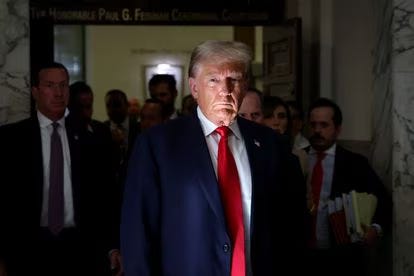
President Trump has filed a motion to dismiss the case against him in Washington, D.C., citing presidential immunity as the basis for dismissal. This development is monumental and could have far-reaching implications, not just for this case but also for the ongoing prosecution in Georgia. In this article, we will delve deep into the legal arguments presented in the motion and assess their validity.
The Core Argument: Presidential Immunity
At the heart of the motion is the argument that presidents, even after leaving office, are absolutely immune from criminal prosecutions for acts that fall within the "outer perimeter" of their official responsibilities. This immunity, the motion contends, is deeply rooted in legal principles, caselaw, and the Constitution.
Legal Precedents
The motion leans heavily on the Supreme Court case Nixon v. Fitzgerald, which established that a president has absolute immunity from civil liability for acts within the "outer perimeter" of their official responsibilities. The Court reasoned that subjecting a president to civil lawsuits for official acts would "raise unique risks to the functioning of government."
Constitutional Grounding
The motion also finds support in the text of the Constitution itself. The Impeachment Clause of Article I specifies that a president can be subject to indictment only after impeachment and conviction. Since President Trump was acquitted by the Senate on both impeachment attempts, the motion argues that he is immune from prosecution for acts falling within his official responsibilities.
Assessing the "Outer Perimeter"
The key question is whether the acts that form the basis of the D.C. indictment fall within this "outer perimeter" of presidential responsibilities. The motion argues that they do, and I concur.
Scope of Presidential Authority
The scope of presidential authority is vast, and thus the catchment of presidential immunity is expansive. The alleged acts in the D.C. indictment include:
Making public statements about the 2020 federal election
Communications with public officials about the 2020 federal election
Assembling alternate slates of electors
For the purpose of immunity, the motive or veracity of these acts is irrelevant. What matters is whether these acts fall within the broad scope of presidential responsibilities, and they clearly do.
Implications and Timing
If the motion to dismiss is denied, it is likely immediately appealable. This means the issue could soon find its way to higher courts, including potentially the Supreme Court.
Conclusion
The motion to dismiss the D.C. case against President Trump is grounded in well-established legal principles and constitutional provisions. It argues persuasively that the acts underlying the indictment fall within the "outer perimeter" of presidential responsibilities, making them immune from prosecution. Given these strong arguments, the case should be dismissed, setting a significant precedent for future cases involving presidential immunity.

