American Unions are Destroying Everything
The labor pact between the Writers Guild of America and Hollywood Studios is bad for writers, studios, streamers, and consumers - who is the winner?
By Alexander Muse ·
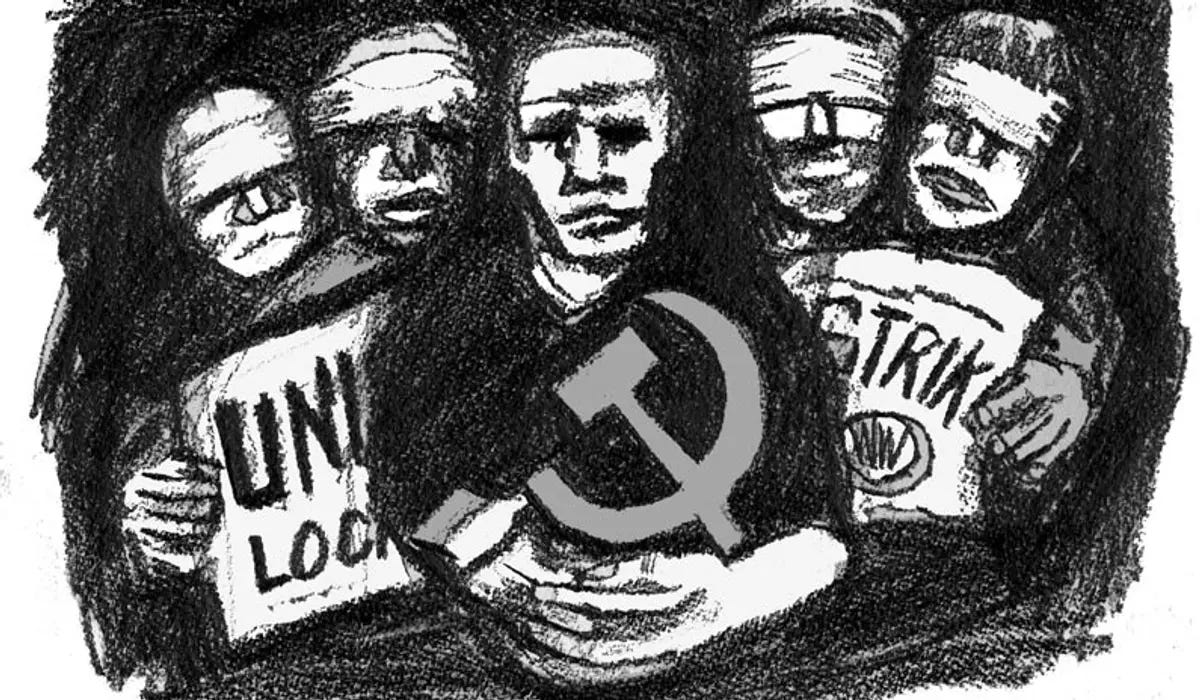
Trade unions are a school of communism. ~Vladimir Lenin
Labor unions, in theory, are great for workers ensuring workers receive fair wages and safe working conditions but recently I can’t help but notice they’re working overtime to put the companies who employ their members out of business reducing competition and increasing prices consumers pay.
For example, earlier this year the Teamsters Union secured a new contract with UPS that pays drivers $170,000 per year (package delivery costs are up over 17%). The Airline Pilots Association secured a contract for pilots that increased salaries by 40% costing airlines more than $10 billion (airline tickets are up 25%). Meanwhile, the UAW Union is currently on strike demanding a 40% pay increase and a four-day workweek. Most recently a labor pact between the Writers Guild of America and Hollywood Studios will drastically increase pay - a perfect case study.
The recent labor pact between the Writers Guild of America and Hollywood studios has been hailed as a win for writers, ending a five-month strike with significant concessions. However, the deal's unintended consequences could be far-reaching, not just for writers but for the entire entertainment industry.
The Good, The Bad, and The Ugly
The Good: Writers secured major wins, including new bonus payouts and higher royalties. These gains are especially important given the challenging financial landscape of the entertainment industry.
The Bad: The deal will likely lead to fewer television shows being produced, fewer shows being renewed, and higher salaries going to a very small number of writers. This contraction in spending means there will be less work to go around.
The Ugly: A third of the talent in Hollywood could be out of work, and new talent could be frozen out for decades. The deal also allows studios to use AI tools for script editing, reducing the need for additional writers and editors.
Historical Parallels: Manufacturing, Automotive, Steel
The American manufacturing, automotive, and steel industries offer cautionary tales. Unionized labor in these sectors secured better wages and working conditions but at the cost of making domestic production less competitive. The result? Many of these industries moved overseas, leading to significant job losses.
The AI Factor
The agreement allows studios to use AI tools to edit scripts and videos. While the original writers are protected, it will lead to fewer jobs in the long run as rewrites and edits that were previously done by other writers will be done my computers. AI's role in content creation is only going to grow, and the industry needs to prepare for this seismic shift.
The Global Shift: China and India
As production costs rise in Hollywood, studios may look to more cost-effective markets like China and India. These countries have burgeoning entertainment industries and could offer a viable alternative for production, just as they did for manufacturing.
The Consumer Angle
Fewer shows and higher subscription costs could lead to consumer dissatisfaction. As streaming services pass on the increased costs to consumers, the market could see a decline in subscribers, further exacerbating the industry's financial woes.
Conclusion: A Word of Caution
While the labor pact may seem like a victory, its long-term implications could be detrimental for a large swath of the industry. It's crucial for unions and studios to consider the broader picture and strive for agreements that are sustainable in the long run. Otherwise, the very workers the unions aim to protect could find themselves facing an uncertain future.

